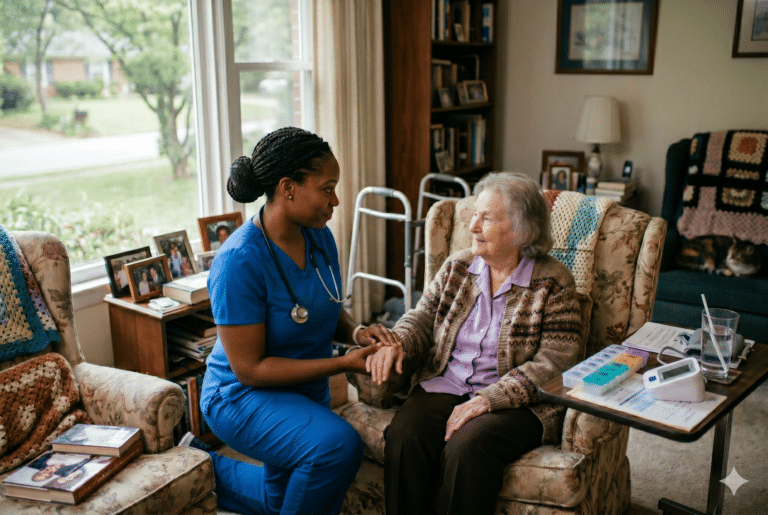
As people age, managing chronic illnesses and complex medical conditions can become more challenging. Many older adults want to remain in the comfort of their own homes, even when they require ongoing medical attention. Skilled nursing care makes that possible by bringing professional medical support directly to seniors where they feel most comfortable. For families navigating complicated health concerns, skilled nursing services can provide peace of mind while helping seniors maintain their independence and quality of life.
Understanding Skilled Nursing Care at Home
Skilled nursing care goes beyond basic assistance with daily activities. It involves medical services provided by licensed healthcare professionals who have the training and expertise to manage complex health conditions safely and effectively.
These services are often recommended for seniors recovering from surgery, managing chronic diseases, coping with serious illnesses, or requiring ongoing medical monitoring. Receiving this level of care at home allows seniors to continue living in familiar surroundings while receiving professional healthcare support.
Unlike short-term medical visits, skilled nursing services can be tailored to meet a senior’s changing needs over time. This personalized approach helps ensure continuity of care and better communication between healthcare providers, patients, and family members.
Common Medical Conditions That Benefit from Skilled Nursing Care
Many seniors face multiple health concerns that require careful management. Skilled nurses can help monitor symptoms, administer treatments, and identify potential complications before they become serious.
Conditions that often benefit from skilled nursing support include:
- Heart disease
- Diabetes
- Chronic obstructive pulmonary disease (COPD)
- Stroke recovery
- Parkinson’s disease
- Multiple sclerosis
- Cancer
- Wound care needs
- Post-surgical recovery
- Medication management challenges
When these conditions are managed properly, seniors may experience fewer complications and avoid unnecessary hospital visits.
Medication Management and Monitoring
One of the biggest challenges facing seniors with complex medical needs is medication management. Many older adults take multiple prescriptions, supplements, and over-the-counter medications every day. Keeping track of dosage schedules and possible interactions can quickly become overwhelming.
Skilled nurses help ensure medications are administered correctly and according to physician instructions. They can also monitor for side effects, assess medication effectiveness, and communicate concerns to healthcare providers.
This oversight reduces the risk of medication errors, which are a leading cause of preventable health complications among older adults.
Wound Care and Recovery Support
Seniors recovering from surgery, injuries, or chronic conditions may require specialized wound care. Proper wound management is essential for preventing infections and promoting healing.
Skilled nurses are trained to:
- Assess wound healing progress
- Change dressings
- Monitor for signs of infection
- Follow physician-directed treatment plans
- Educate family caregivers on proper care techniques
Receiving wound care at home eliminates the need for frequent trips to medical facilities while allowing recovery to take place in a comfortable environment.
Managing Chronic Diseases More Effectively
Chronic illnesses often require ongoing monitoring and adjustments to care plans. Skilled nursing care provides consistent oversight that can help seniors maintain stability and avoid health setbacks.
For example, a nurse caring for a senior with heart disease may monitor blood pressure, watch for fluid retention, and identify symptoms that require medical attention. A nurse supporting someone with diabetes may track blood sugar levels and provide education on disease management.
This proactive approach can help catch problems early before they develop into emergencies.
Reducing Hospital Readmissions
Hospital readmissions are common among seniors with complex medical conditions. After discharge, many individuals struggle to follow treatment plans, recognize warning signs, or manage medications properly.
Skilled nurses help bridge the gap between hospital and home by providing follow-up care and reinforcing physician instructions. They can assess recovery progress, identify complications early, and coordinate with healthcare providers when concerns arise.
Reducing avoidable hospitalizations benefits seniors by minimizing disruptions to their routines and lowering the risk of additional complications.
Supporting Family Caregivers
Family members often take on significant caregiving responsibilities when a loved one has medical needs. While caregiving can be rewarding, it can also become physically and emotionally demanding.
Skilled nursing care offers valuable support by sharing the responsibility of managing complex healthcare tasks. Families gain confidence knowing a licensed professional is overseeing important medical needs.
Nurses can also educate family caregivers on:
- Safe care techniques
- Medication administration
- Symptom monitoring
- Emergency preparedness
- Disease-specific care strategies
This education empowers families to participate more effectively in their loved one’s care.
Coordinating Care Among Multiple Providers
Many seniors with complex medical needs work with several healthcare professionals, including primary care physicians, specialists, therapists, and other providers. Keeping everyone informed can be challenging.
Skilled nurses often serve as an important communication link between providers. They monitor the senior’s condition, document changes, and report concerns to the appropriate healthcare team members.
Better coordination helps ensure treatment plans remain consistent and aligned with the senior’s overall health goals.
Promoting Independence at Home
Many people assume that serious medical conditions automatically require relocation or institutional care. In reality, many seniors can continue living safely at home with the right level of professional support.
Skilled nursing care helps maintain independence by addressing medical needs while allowing seniors to remain involved in their daily routines. Being surrounded by familiar belongings, family members, and cherished memories can contribute positively to emotional well-being and overall quality of life.
The ability to stay at home often gives seniors a greater sense of control over their lives, which can be especially meaningful during periods of illness or recovery.
Personalized Care for Changing Needs
No two seniors experience health challenges in exactly the same way. Effective care plans must consider medical conditions, personal preferences, mobility levels, and family involvement.
One of the strengths of skilled nursing care is its flexibility. Services can be adjusted as health needs evolve. A senior recovering from surgery may initially require intensive support and then transition to less frequent visits as recovery progresses. Others with chronic conditions may benefit from ongoing nursing oversight.
This individualized approach ensures seniors receive the appropriate level of care at every stage of their healthcare journey.
Helping Seniors Live Safely and Comfortably
Complex medical needs should not automatically prevent seniors from enjoying life at home. With professional nursing support, many older adults can continue living in familiar surroundings while receiving the medical attention they need.
Skilled nursing care combines clinical expertise with personalized support, helping seniors manage chronic illnesses, recover from medical procedures, and maintain their independence. Families gain reassurance knowing their loved ones have access to professional healthcare services designed to promote safety, comfort, and overall well-being.
By addressing medical needs proactively and providing ongoing monitoring, skilled nursing services play an important role in helping seniors achieve the highest possible quality of life at home.
If you or an aging loved one is considering skilled nursing care in Palmetto, FL, please get in touch with the caring staff at Family First Healthcare Services today at (813) 461-8000.
Family First Healthcare Services is a top provider of in-home health services in Tampa, Bradenton, Brandon, Riverview, Lakeland, Winter Haven, Haines City, Lakewood Ranch, Palmetto, Town ‘n’ Country, Florida, and surrounding areas.

- From Resistance to Relief: How the Right Caregiver Builds Trust Over Time - September 25, 2026
- When a Disability Changes Daily Life: Helping an Adult Loved One Remain at Home - September 11, 2026
- Why Consistent, Qualified Medical Staffing Matters for Home Care Agencies - August 27, 2026